
Below, we cover common questions about tipping, payment methods, minimum service times, packing your belongings, protecting valuable possessions, moving plants and pets, storage and other important parts of the moving process.
Anytime can be a good time to move with the right planning. Full House Moving & Storage is available throughout the year and our team can help coordinate your relocation according to your preferred schedule and availability.
Moving demand is generally higher during spring and summer, particularly between May and October. Moving outside the busiest periods may provide greater scheduling flexibility and, depending on the move, potentially better pricing.
The earlier, the better. We recommend contacting your moving company approximately four to six weeks before your preferred move date.
Providing more notice gives the moving company a better opportunity to accommodate your preferred schedule, especially during weekends, summer months and other high-demand moving periods.
For local moves, the time required depends primarily on the amount of property being moved, access conditions at both locations and the distance between the pickup and destination.
For long-distance moves , additional factors can affect the timeline, including distance, shipment size, loading and unloading time, route conditions, weather and the time of year.
Start by determining whether you need a full-service moving company and then research several reputable local or long-distance movers. Recommendations from friends, family and previous customers can also be useful.
Review the company’s reputation and verify that the mover has the licenses and operating authority required for the type of move you are planning.
For California household moves, check the mover’s applicable California household-goods authority. For interstate relocations, verify the company’s USDOT information and interstate operating authority before booking.
Full House Moving & Storage operates under:
As with other service industries, you may choose to thank your moving crew for a job well done by offering a gratuity.
There is no required or fixed tip amount. The amount is entirely up to you and can be based on your satisfaction with the crew, the complexity of the move and the overall level of service.
If you feel your movers went above and beyond during your relocation, you may choose to increase the gratuity accordingly.
Local moving services may have a minimum number of billable hours depending on the move, crew size, location and the terms provided in your moving agreement.
Always review the minimum service time, hourly rate, travel charges and other applicable terms shown on your estimate or Order for Service before confirming your move.
Long-distance moves are priced differently and can depend on factors such as shipment size, distance and the services required.
Payment requirements depend on the type of move and the terms of your moving agreement.
For interstate moves, payment arrangements and accepted methods should be discussed with your relocation specialist before the shipment is delivered.
A moving deposit may also be required when the move is booked. Always review the payment schedule, accepted payment methods, deposit requirements and remaining balance before signing your moving agreement.
Be cautious of moving companies or brokers demanding unusually large upfront deposits before providing meaningful service.
It is generally fine to leave clothing inside standard dresser drawers during many moves.
Remove anything that may roll, shift, spill or cause damage during transportation. Fragile items, valuables and heavy objects should also be removed.
If the dresser is particularly large, such as a triple dresser or part of a large armoire, the crew may ask that it be partially or completely emptied before moving.
Yes, customer-packed boxes can generally be loaded as long as the moving crew determines that they are properly packed, closed and safe for transportation.
Damaged, overloaded, open or improperly packed boxes may need to be repacked before they can be safely loaded onto the truck.
Make sure your home is ready for the moving crew before they arrive. Clear porches, hallways, walkways and other traffic areas that could obstruct the movement of furniture and boxes.
Remove small rugs or other objects that could create a trip or slip hazard. If you already know that a large piece will require special access, let your relocation specialist know before moving day.
Full House Moving & Storage’s crew can also prepare appropriate areas of the home with protective materials such as floor runners, door-jamb protection and railing protection when required.
Offering water or refreshments to the crew is always appreciated, particularly on a hot Southern California moving day, although our movers arrive prepared for the work ahead.
Plants may be transported on some local moves when properly prepared, but live plants can be especially sensitive to movement and temperature conditions inside a moving vehicle.
Because restrictions can vary depending on the destination, particularly for interstate relocations, tell Full House Moving & Storage about any live plants before moving day so we can review whether they can be included in your specific shipment.
We strongly recommend keeping irreplaceable and especially valuable personal belongings with you or arranging separate transportation.
Examples include jewelry, cash, passports, important legal documents, medications, keys and other small items that would be difficult or impossible to replace.
When booking your move, you can choose how much or how little packing assistance you need.
Full House Moving & Storage can provide full packing for your entire shipment, partial packing for selected rooms or belongings, or you can pack everything yourself.
If you’re interested in professional packing, discuss the options with your relocation specialist so we can create a service that fits the requirements and budget of your move.
Pets cannot travel inside the moving truck.
Dogs, cats, birds and other household pets should be transported separately by you, a family member or an appropriate pet transportation service.
Yes. Moving companies cannot transport certain hazardous, flammable, combustible or otherwise restricted materials.
Examples can include propane tanks, gasoline, certain paints, aerosols, explosives, hazardous chemicals and other items that could create a safety risk inside a moving vehicle.
Firearms and ammunition may also be subject to company policies and legal transportation requirements. Tell your relocation specialist about these or any questionable items before moving day rather than placing them inside ordinary moving boxes.
When the moving crew first arrives, the foreman will complete a walkthrough of your home with you and confirm which belongings are moving and which items are staying behind.
Clearly identifying anything that should not be moved before loading begins can make the process faster and reduce confusion.
If moving day is approaching and you realize you will not finish packing in time, contact your move coordinator as soon as possible.
We can review available packing options with you. Depending on the amount remaining and crew availability, our movers may be able to finish the packing or additional packing assistance may be scheduled before the move.
If only a small number of items remain, packing may sometimes be completed on moving day. Keep in mind that additional packing will increase the amount of labor time and packing materials required.
Absolutely. At your new home, our movers will work with you to place furniture and boxes in the appropriate rooms and position furniture according to your instructions.
If new furniture arrives before your home, office or design project is ready, Full House Moving & Storage can also provide receiving, storage and later delivery services depending on your project requirements.
No. Customers cannot travel inside the moving truck with the moving crew because of safety, liability and commercial transportation requirements.
Please arrange separate transportation for yourself, your family members and your pets.
Our moving trucks are not standard trash-disposal vehicles.
If you have furniture or other appropriate items that need to be transported for disposal, discuss the request with your relocation specialist before moving day. Debris-removal or disposal-related transportation may involve an additional charge and must be approved in advance.
The relocation specialist performs a visual survey of the belongings included in your move.
Once the survey is complete, the information can be used to estimate the volume of the shipment, packing requirements, specialty-item handling and other services associated with your relocation.
It is important that the relocation specialist can clearly see everything you intend to move. Attics, garages, crawl spaces, closets and other storage areas can contain more belongings than expected, so make sure these spaces are accessible during the survey.
Don’t be surprised if the specialist needs to look inside closets, cabinets or other storage spaces. The goal is to build an accurate inventory and understand what will require packing and transportation.
If you know about belongings that are out of sight or items that will not be included in the move, point them out during the survey.
Appliances such as washers, dryers and refrigerators generally need to be properly disconnected and prepared before transportation.
Washing machines may require manufacturer-specified transit or stabilizing bolts, while refrigerators may require advance preparation such as emptying, defrosting and disconnecting appropriate lines.
If you need assistance preparing appliances, tell your Full House Moving & Storage representative before moving day so the available services, requirements and any additional charges can be reviewed in advance.
The protection available for your belongings depends on the type of move, applicable regulations and the valuation option selected for your shipment.
Valuation is an important part of the moving agreement because it establishes the mover’s level of liability if an item is lost or damaged. Valuation is not the same thing as ordinary insurance.
Different protection options may be available depending on whether your move is within California or interstate. Before moving day, review the options, limits, exclusions and any applicable deductible with your relocation specialist.
You may also wish to contact your homeowners, renters or specialty insurance provider to determine whether your existing policy provides protection while your belongings are being moved.
For interstate household-goods moves, federal regulations provide specific valuation choices, including Released Value and Full Value Protection. Your relocation specialist can explain the options applicable to your particular shipment before you make your selection.
Major events such as a home closing or completion of construction can be delayed unexpectedly, so it may be wise not to schedule your move for the exact same day as another critical deadline.
Leaving several days between closing or construction completion and the move can reduce the risk of needing to reschedule everything if another part of the process is delayed.
Moving demand is also often lower during the middle of the month and in the middle of the week than it is on weekends and at the beginning or end of a month.
Focus primarily on packing rather than trying to move heavy belongings yourself.
Professional movers can load boxes and smaller belongings efficiently. Your time is generally better spent making sure boxes are packed, closed, labeled and completely ready when the crew arrives.
The more prepared your home is before loading begins, the more efficiently the moving crew can get started.
Yes. Storage can be a practical solution when you want to keep belongings that will not fit in your current home, particularly if you expect to move into a larger property later or simply need more time to decide what to do with those items.
Full House Moving & Storage provides professional short-term and long-term storage solutions that can be coordinated with your move.
Use a simple and consistent labeling system and clearly mark every box.
A good approach is to label each box on the top and multiple sides with the destination room, such as Kitchen, Primary Bedroom, Living Room or Office.
At the destination, Full House Moving & Storage’s crew will work with you to place furniture and boxes in the rooms where you want them.
Once the professional moving crew begins working, it is usually better to allow them to handle the physical moving and truck loading.
Professional movers are trained to carry furniture, work together as a crew and load the truck efficiently. Having additional untrained people working directly alongside the crew can sometimes slow the process rather than reduce the overall moving time.
Friends and family can often be more helpful before moving day by assisting with packing, labeling boxes, caring for children or pets and making sure the home is completely ready for the movers.
Workers’ compensation is an important question to ask any moving company because proper coverage helps protect both workers and customers if a workplace injury occurs during a move.
Before hiring a mover, confirm that the company maintains the insurance and workers’ compensation coverage required for its employees and operations.
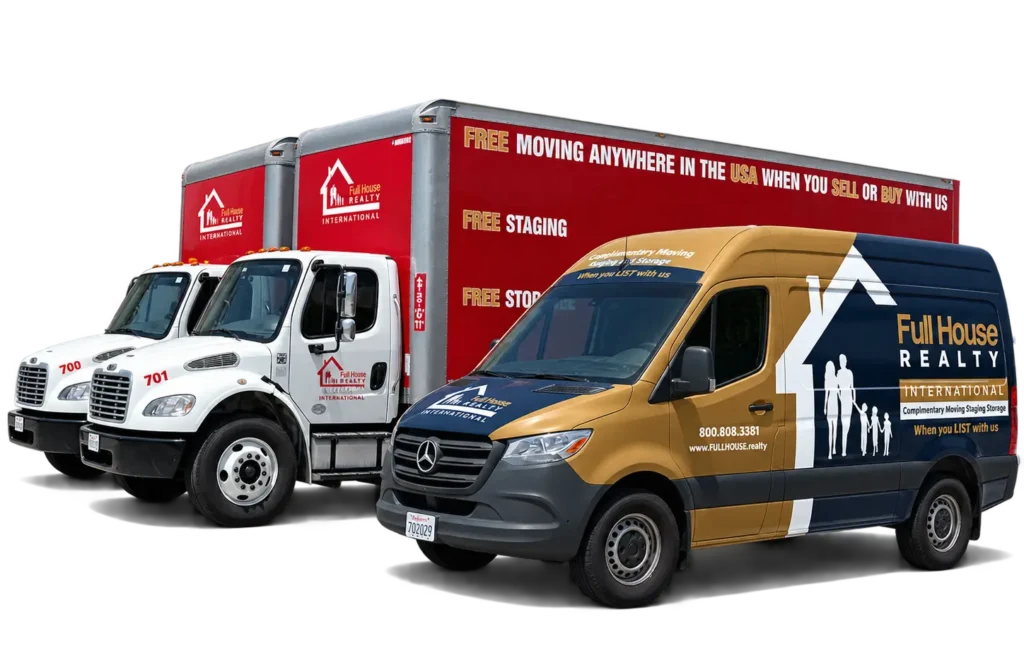
Have more questions about your move? Talk with Full House Moving & Storage about your moving date, inventory, packing requirements, specialty items, storage needs and destination so we can help you prepare the right relocation plan.